Watching the Chemist: Why Mandatory CCTV in Medical Stores Is a Misguided Fix

- Ganadhish Kamat
India’s drug regulatory landscape is no stranger to reactive policymaking, but the recent proposal by the Drugs Consultative Committee (DCC) to mandate CCTV cameras in medical stores risks crossing a line—from regulation into surveillance. While the stated objective of this is to curb illegal drug sales specifically Schedule H, H1, and X drugs—to minors and improve accountability, the measure raises serious concerns about privacy, effectiveness, and regulatory overreach.
At first glance, the idea appears sensible: if pharmacies are under constant watch, errant behavior might reduce. But this assumption rests on a flawed premise—that the presence of cameras can meaningfully address the complex and deeply rooted issues in pharmaceutical retail.
A Privacy Problem in Plain Sight
Medical stores are not just retail outlets; they are spaces where individuals often discuss deeply personal health issues. Patients may inquire about medications for mental health, sexual health, chronic illnesses, or stigmatized conditions. The knowledge that such interactions are being recorded—even if only visually—can have a chilling effect.
In a country where data protection laws are still evolving, the risks are magnified. Who will control the footage? How long will it be stored? What safeguards exist against misuse, leaks, or unauthorized access? Without clear answers, this proposal could erode patient trust and deter individuals from seeking essential care.
Surveillance Without Substance
Even if privacy concerns are set aside, the effectiveness of CCTV as a regulatory tool is questionable. Illegal drug sales—particularly those involving prescription drugs without valid prescriptions—are rarely conducted in ways that would be easily detectable through video footage alone. Cameras cannot verify whether a prescription is genuine, nor can they assess the appropriateness of a drug dispensed. The poor legibility of doctor's prescriptions is well known fact and often subject of jokes. How these will be deciphered from the CCTV footage?
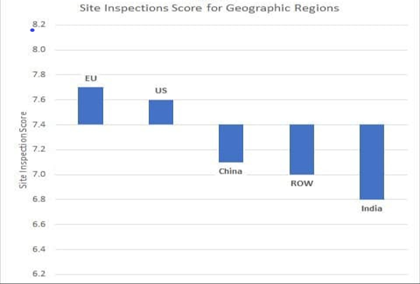
Moreover, enforcement agencies are already stretched thin. Currently there are about 850,000 retail pharmacies in the country and approximately 2000 drug inspectors. Adding hours of video footage to review does not strengthen oversight; it merely creates more data without necessarily improving outcomes. In practice, this could become a box-ticking exercise—stores install cameras, regulators check compliance, and the underlying problems persist.
Misplaced Priorities
India’s pharmaceutical retail sector faces several genuine challenges: inadequate training of pharmacists, poor enforcement of existing prescription regulations, and the proliferation of unlicensed outlets. Addressing these issues requires targeted interventions—better inspection mechanisms, digital prescription tracking, pharmacist education, and stricter penalties for violations.
Instead, mandating CCTV risks diverting attention and resources from these more substantive reforms. It creates the illusion of action without tackling the root causes of regulatory failure.
The Slippery Slope of Overregulation
There is also a broader concern about precedent. If CCTV becomes mandatory in medical stores today, what stops similar requirements in clinics, diagnostic labs, or even private consultation rooms tomorrow? Public health regulation must strike a careful balance between oversight and individual rights. Crossing that balance can lead to a surveillance-heavy system that undermines the very trust it seeks to protect.
A Better Way Forward
If the goal is to regulate drug sales more effectively, policymakers should focus on smarter, evidence-based solutions. Digitizing prescriptions, integrating pharmacy records with centralized databases, and leveraging analytics to flag suspicious patterns would be far more impactful. Strengthening the capacity and accountability of drug inspectors would also yield better results than passive surveillance.
Transparency and consultation are equally important. Engaging pharmacists, healthcare professionals, and patient groups in the policymaking process can help design interventions that are both practical and respectful of privacy.
Conclusion
Mandating CCTV in medical stores may offer a sense of control, but it is unlikely to deliver meaningful regulatory benefits. Worse, it risks compromising patient privacy and eroding trust in the healthcare system. Effective regulation requires precision, not paranoia. India’s drug authorities would do well to rethink this proposal before turning pharmacies into surveillance zones.


Comments
Post a Comment